
Authenticity
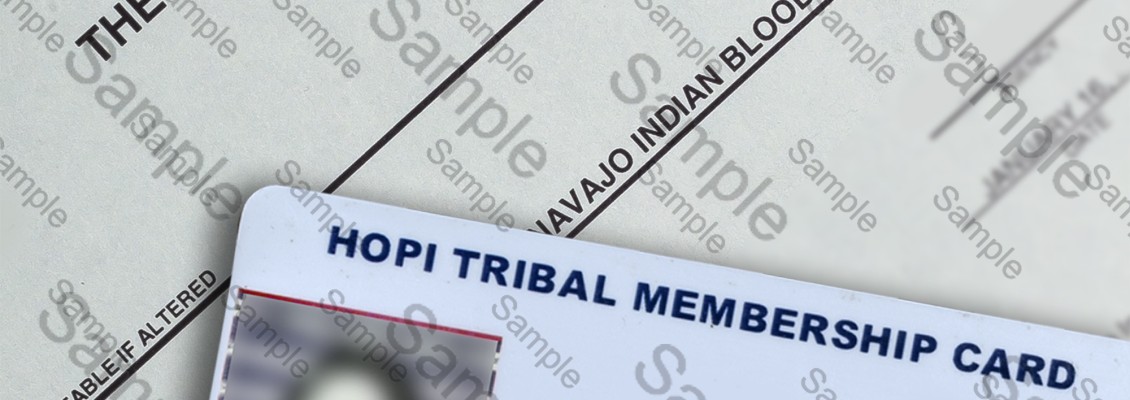
All sellers must be dedicated to authentic Native American artistry. Sellers must verify that an artist is actually a member of the Tribe they claim and are enrolled in that Tribe. This allows them to issue the Certificate of Authenticity (COA) with the artists name and Tribal affiliation, which gives the sellers and their customers peace of mind in knowing that the artwork being purchased is an authentic piece of art from a member of the Tribe that is credited with the work. It is recognized that there are people who may be of more than one tribe. However, they are only enrolled in one tribe. It is a Federal Law that Native Americans can be enrolled in the Tribe you they claiming to be an artist of, therefore the enrolled tribe is the one that is recognized for the artwork designed.
Examples of this:
- Zuni needlepoint. Needlepoint, in theory could be created by any artist. However, the Zuni artists are most known for this type of work. Therefore, due to the historical nature of Zuni being associated with needlepoint any needlepoint work created for sale will be recommended to be made by a Zuni artist under the requirements described in the above paragraph.
- Note: Needlepoint is identified as being, long, straight, pointed, narrow stones.
- There are two similar Zuni techniques of using very small pieces of stone to decorate a piece and they are often confused.
- Navajo rugs are another example. Theoretically anyone could weave a Navajo rug. However, in order to be authentic and receive the COA any rugs sold would need to be created by a Navajo artist using the above described requirements.
- Pima/O’otham basketry. As mentioned before, anyone could collect the materials used and create a “Pima” basket. However, they are only considered authentic if a Pima tribe member creates it.
Leave a Comment